Tuesday, February 21, 2012
Pyramid 2012 Washington DC completed successfully
Pyramid 2012 Washington DC completed successfully: Yesterday, a little over 5:30 pm, when the venue had already officially closed, we reached a capstone agreement and put a star-spangled bann...

Friday, February 10, 2012
Thierrygate ronde 4
In het klimaatsneeuwballengevecht op de opiniepagina's van het NRC, is vandaag de laatste worp aan de klimaatwetenschap zelf, voordat de dooi invalt? In een merkwaardig column twee weken geleden herkauwde rechtsfilosoof Thierry Baudet een serie allang weerlegde argumenten om het punt te maken dat we ons over klimaatverandering geen zorgen hoeven maken. Er volgden tegenreacties en reacties op tegenreacties; de lezer moest maar op de blauwe ogen van de auteurs afgaan om te oordelen wie gelijk had. Vandaag verscheen een reactie van vier klimaatwetenschappers zelf waarin zij de argumenten van de sceptici tegen het wetenschappelijke licht houden: "Herhalen van klimaatsceptische argumenten maakt ze nog niet waar." Mooi, dan kunnen we nu weer verder praten over wat we met deze kennis moeten doen. Ik hoop dat Baudet morgen in zijn column aan deze discussie een bijdrage levert.
Sunday, February 05, 2012
Pyramid 2012 Washington DC: A Fun Workshop on Sustainable Transportation for DC
Pyramid 2012 Washington DC: A Fun Workshop on Sustainable Transportation for W...: On February 17-19, 2012, all across the world groups will get together to tackle a sustainability challenge in a fun way. This is " Pyramid ...
Saturday, February 04, 2012
klimaatwetenschapspolemiek op opiniepagina's duurt voort
Het klimaatsneeuwballengevecht duurt voort op de opiniepagina's van het NRC. Deze week is het weer de beurt aan de 'sceptici,' de tegenstanders van het terugdringen van CO2-uitstoot. De verschillende auteurs verwijten elkaar onwetenschappelijk te zijn en selectief te winkelen. Het deert hen niet dat zij zelf zwart zien. Een brievenschrijver van vandaag, Salomon Kroonenberg, verwijt Wouter van Dieren dat hij geen wetenschappelijke argumenten gebruikt. Zonder bronnen aan te voeren laat hij wat 'feiten' vallen en verzuimt te vermelden dat de meerderheid van de 16 ondertekenaars van de brief in de Wall Street Journal nog nooit klimaatwetenschap heeft bedreven en een antwoord ondertekend door 38 actieve klimaatwetenschappers korte metten maakte met de argumenten van de 16 (verhaal hier). De werkwijze en invloed van de antiklimaatlobby die Wouter van Dieren noemde is daarentegen weldegelijk onderzocht en als argument geenszins onwetenschappelijk (hier). 'De zoektocht naar waarheid' waar brievenschrijver Visscher voor pleit wordt ernstig ondermijnd wanneer de beste wetenschappers doodsbedreigingen ontvangen en zich telkens moeten verdedigen tegen nietsontziende aanvallen op hun integriteit. Als het inderdaad om de wetenschappelijke feiten gaat, speelt de wetenschapsredactie hier dan geen rol in? Ik neem aan dat zij zich goed op de hoogte houdt van de klimaatliteratuur. Laat haar nou de feitenclaims in opiniebijdragen hieraan toetsen. Is dat censuur? Er lijkt me een verschil tussen vrijheid van meningsuiting en feitenmanipulatie. Het probleem is eerder praktisch: het is te lastig, tijdrovend en maakt dat de krant zelf middelpunt van kritiek wordt. Mening en feiten zijn moeilijk uit elkaar te houden en ook feiten kennen vele nuances en kanttekeningen. Bovendien worden instituties niet meer vertrouwd. Daarom wordt onder het mom van een 'gebalanceerde berichtgeving' die last naar de lezer doorgeschoven, die slecht geëquipeerd is de institutionele rol over te nemen en in verwarring achterblijft. En dat was nou precies de bedoeling.
Monday, January 30, 2012
Thierry Baudet slaat klimaatplank gevaarlijk mis
In het NRC van vrijdag 27 januari jl. wijdde Thierry Baudet zijn column aan klimaatalarmisme en suggereerde dat investeringen in emissiereductie weggegooid geld is. Daarbij herkauwde hij argumenten van zogenaamde klimaatsceptici die al lang en breed weerlegd zijn. Het NRC publiceerde vandaag reacties van Jan Terlouw en Wouter van Dieren. En een gezelschap vooraanstaande Nederlandse klimaatwetenschappers doet ook een duit in het zakje en corrigeert punt voor punt de 'feiten' van Baudet (zie hier: http://ejo-twitter.blogspot.com/2012/01/hopelijk-weet-columnist-thierry-baudet.html). Ook ik kon het niet laten een reactie naar de opnieredactie te sturen. Die is in geredigeerde vorm als brief geplaatst, hierbij de complete versie:
Het valt te prijzen dat NRC ruimte biedt aan jonge columnisten en het is verheugend dat ook een rechtsfilosoof klimaatverandering het bespreken waard vindt (Thierry Baudet, 27-01-2012). Baudet’s mening is zijn goed recht, maar als hij het wat nauwer zou nemen met de feiten zou die ongetwijfeld anders uitpakken.
Het is niet controversieel dat er enige onzekerheid bestaat, zoals Baudet zegt, in de mate waarmee het klimaat reageert op een verhoogde concentratie CO2 in de atmosfeer. Maar die onzekerheid is niet zo groot en relevant meer. We weten heel goed dat het klimaat voldoende sterk op extra CO2 reageert dat de hoeveelheid die we jaarlijks uitstoten ons zorgen moet baren. Die kennis is te danken aan decennialange investeringen in onderzoek. Hoewel de schattingen van de kosten van klimaatverandering sterk uiteen lopen, rechtvaardigen ook de lage schattingen een stevige emissiereductie. We mogen blij zijn dat we dat nu weten, want hoe langer we wachten met het terugdringen van de uitstoot van broeikasgassen, des te duurder die opgave wordt. Het over het algemeen conservatieve Internationaal EnergieAgentschap (IEA), de energiedenktank van de OECD dat onder leiding staat van onze eigen Maria van der Hoeven, kwam eind vorig jaar tot diezelfde conclusie. Uitstel van actie is een “valse economie,” schreef het. Het berekende dat elke euro die voor 2020 minder in schone energie wordt geïnvesteerd, ons na 2020 4,30 euro extra zal kosten om voor de extra uitstoot te compenseren.
Bovendien levert een euro die aan emissiereducerende maatregelen wordt besteed veel meer dan alleen klimaatwinst op. Veel energiebesparende maatregelen betalen zich binnen een aantal jaar terug. Schone energieopwekking en voorstuwing verbetert de luchtkwaliteit, bespaart kosten in de gezondheidszorg en brengt nieuwe economische kansen. En het tegengaan van ontbossing in de tropen beschermt bedreigde diersoorten.
Er is geen enkele reden te geloven dat een euro die niet naar klimaat gaat ten goede zal komen aan aidsbestrijding en armoedebestrijding. Integendeel, degenen die even weinig ophebben met het klimaat als Baudet, zouden liefst ook op die gebieden korten.
Helaas kan Europa, laat staan Nederland, in zijn eentje de klimaatverandering stoppen. Daarvoor moeten alle grote landen meedoen, inclusief de Verenigde Staten en grote opkomende economieën als China, India en Brazilië. Dat mag er niet toe leiden dat wij ons terugtrekken achter de verhoogde dijken en afwachten, maar maakt het juist belangrijk om moed te tonen, de feiten onder ogen te zien, de toekomst bij de lurven te pakken en er alles aan te doen thuis en internationaal aan oplossingen te werken.
Ir. Mark Olsthoorn
Washington, DC
Het valt te prijzen dat NRC ruimte biedt aan jonge columnisten en het is verheugend dat ook een rechtsfilosoof klimaatverandering het bespreken waard vindt (Thierry Baudet, 27-01-2012). Baudet’s mening is zijn goed recht, maar als hij het wat nauwer zou nemen met de feiten zou die ongetwijfeld anders uitpakken.
Het is niet controversieel dat er enige onzekerheid bestaat, zoals Baudet zegt, in de mate waarmee het klimaat reageert op een verhoogde concentratie CO2 in de atmosfeer. Maar die onzekerheid is niet zo groot en relevant meer. We weten heel goed dat het klimaat voldoende sterk op extra CO2 reageert dat de hoeveelheid die we jaarlijks uitstoten ons zorgen moet baren. Die kennis is te danken aan decennialange investeringen in onderzoek. Hoewel de schattingen van de kosten van klimaatverandering sterk uiteen lopen, rechtvaardigen ook de lage schattingen een stevige emissiereductie. We mogen blij zijn dat we dat nu weten, want hoe langer we wachten met het terugdringen van de uitstoot van broeikasgassen, des te duurder die opgave wordt. Het over het algemeen conservatieve Internationaal EnergieAgentschap (IEA), de energiedenktank van de OECD dat onder leiding staat van onze eigen Maria van der Hoeven, kwam eind vorig jaar tot diezelfde conclusie. Uitstel van actie is een “valse economie,” schreef het. Het berekende dat elke euro die voor 2020 minder in schone energie wordt geïnvesteerd, ons na 2020 4,30 euro extra zal kosten om voor de extra uitstoot te compenseren.
Bovendien levert een euro die aan emissiereducerende maatregelen wordt besteed veel meer dan alleen klimaatwinst op. Veel energiebesparende maatregelen betalen zich binnen een aantal jaar terug. Schone energieopwekking en voorstuwing verbetert de luchtkwaliteit, bespaart kosten in de gezondheidszorg en brengt nieuwe economische kansen. En het tegengaan van ontbossing in de tropen beschermt bedreigde diersoorten.
Er is geen enkele reden te geloven dat een euro die niet naar klimaat gaat ten goede zal komen aan aidsbestrijding en armoedebestrijding. Integendeel, degenen die even weinig ophebben met het klimaat als Baudet, zouden liefst ook op die gebieden korten.
Helaas kan Europa, laat staan Nederland, in zijn eentje de klimaatverandering stoppen. Daarvoor moeten alle grote landen meedoen, inclusief de Verenigde Staten en grote opkomende economieën als China, India en Brazilië. Dat mag er niet toe leiden dat wij ons terugtrekken achter de verhoogde dijken en afwachten, maar maakt het juist belangrijk om moed te tonen, de feiten onder ogen te zien, de toekomst bij de lurven te pakken en er alles aan te doen thuis en internationaal aan oplossingen te werken.
Ir. Mark Olsthoorn
Washington, DC
Friday, January 27, 2012
Chomsky
Just an ordinary Thursday. Discovered that Noam Chomsky was on campus to give a talk. I went, of course, and so did many others. Remarkably, most of them students, who had come to listen to an 83 year old philosopher. A big conference room was packed to the extent that the event had to be canceled if a significant number of people would not leave or migrate to a side room. It worked. From the side room I watched Chomsky en profil while I listened to his mumbling coming through the loudspeaker. Chomsky talked about grammar, body and mind. (It was a linguistics seminar.) He did that in a astoundingly clear, yet intelligent way, which probably explains his star status. It may be the same thing that makes young people flock around someone like Ron Paul. Chomsky's speech is much science - physics, chemistry, biology, philosophy, history - and a little opinion.
That is one thing I love about America: its size and culture allow an amazing collection of excellence to thrive. And sometimes, quite regularly actually, you get the chance to enjoy that.
That is one thing I love about America: its size and culture allow an amazing collection of excellence to thrive. And sometimes, quite regularly actually, you get the chance to enjoy that.
Thursday, December 29, 2011
Aloha, mele kalikimaka
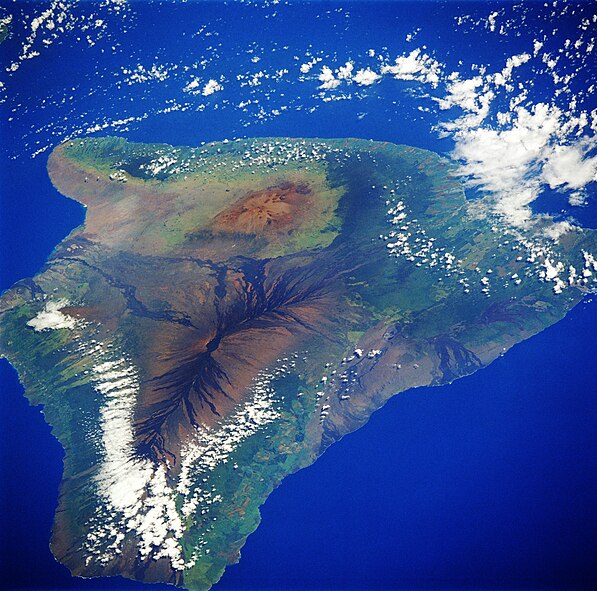 For the first time I did not spend Christmas in a wintery location with family. Instead, Christmas passed while Merijn and I honeymooned on Hawaii, on the Big Island. Hawaii is a dream destination, one that had spoken to my imagination ever since I saw a film about Hawaii in the Omniversum theater in The Hague with my brother and father. That must have been in the late nineteen-eighties. In my memory it was about the jungle and full of loud sound effects, prompting my brother and me to rename it "Lawaai," which is dutch for loud noise. And now I've been there, in the middle of the Pacific. Here's a list of things that made Hawaii special, in no particular order:
- Disembarking the airplane and feeling like you've entered a greenhouse.
- Wondering if the loud, crisp bird calls are real or come from loudspeakers.
- Waking up in a pool of stormwater in the first night out camping, deciding that you don't like the tropics.
- Eating tropical fruits for breakfast on a coffee farm with a view of the ocean, deciding that you love the tropics.
- Having the rainiest place and most sunny coast in the US about 50 miles apart.
- Drinking from a coconut picked from the tree under which you spent the night, while watching the sun rise over the clear blue pacific.
- Sunbathing on the beach in swim wear while watching snow-covered volcano peaks.
- Almost stepping on a chameleon that slowly and clumsily tries to cross the street.
- Picking cannonball-size avocados from a tree.
- Learning about the threat and management of invasive species. For example: feral pigs eat the starchy core of native tree ferns, creating places for rain water to stand in which mosquito larvae can thrive. Mosquitoes feed on honeycreepers (native birds) and infect them with malaria and pox, decimating the population (see here).
- Being told that vegetarians are free to eat pork on Hawaii; they would do nature a service.
- Seeing mongoose all over the island. They were introduced as a countermeasure to the rats in the sugar cane fields. But the twain never met, as rats are nocturnal and mongoose are not. Besides, the latter feeds on anything but rats.
- Witnessing an Hawaiian owl catch a prey on the ranch lands.
- Watching one splendid sunset after the other.
- Camping on the beach with the campsite's 'permanent residents' and being told that most of the campers around us are 'longstay.'
- Enjoying a cocktail in a picture postcard coconut grove to celebrate our ten years together.
- While enjoying that cocktail, watching the same couple we advised not to take that same rainy, stormy, extremely muddy hike we did that afternoon scrub the mud off their shoes in the surf.
- Waking up to the most beautiful concert of unfamiliar bird sounds.
- Learning how coffee, papaya, coconuts, mango, guava, lemon, jaboticaba, macadamia nuts, pomelo, avocados, breadfruit, lychees, starfruit, dragon fruit, pineapple, passion fruit, bananas and taro actually grow (most of which if not all are non-native to Hawaii, by the way).
- Drinking 100% Kona coffee.
- Putting your mask under water and discovering you're actually standing in the middle of an aquarium and are surrounded by hundreds of colored fish.
- Being warned to race uphill when you experience an earthquake, because you're camping in a 'tsunami evacuation zone.'
- Experiencing that a Chevy Aveo is not that bad a car after all.
- Concluding that the rainbow on the Hawaii license plate is very much justified.
- Learning about Hawaiian warrior ways without having to fear them.
- Feeling that on Hawaii, too, relationships between new and native culture is not without problems.
- Walking on a green sand beach, colored by olivine.
- Watching mighty waves pound the rocky coast and being amazed by the Polynesians who traveled thousands of miles across that water in small double-hulled canoes to arrive here.
- Walking across miles of black lava fields.
- Walking across miles of black lava fields to see fresh, glowing lava flow from the mountain into the sea, creating and lighting up plumes of steam.
- Feeling the heat of the lava.
- Having your butane camping stove, on which you're preparing your morning coffee, admired by local young men who gather at the same picknick table to smoke water pipe and share homemade cupcakes.
- Discovering that the river is too deep to ford and accepting that the hidden valley needs to stay hidden for you, at least until your next visit.
- Driving the roads on which the monstrous Hawaii Ironman triathlon is held every year in October (not flat, windy, hot).
- Visiting a Kohala coast resort and not having to stay there.
- Finding that mainland giants like Target, Macy's, Walmart, Sears are just as big on Hawaii and their huge parking lots just as full.
- Discovering a 9-inch centipede exploring your shoes in the middle of the night.
- Being knocked off your feet by a coastal storm while hiking with a heavy backpack.
- Not having to lock the door to your house.
- Breathing the cleanest air on the planet.
- Singing along with tutu and brother Lindsey doing the "Twelve Days of Christmas" Hawaiian style.
- Meeting people who found their paradise in Hawaii (and now run a B&B and grow fruits and coffee).
- Enjoying warm hospitality.
- Hearing German everywhere you go.
- Paying USD 4.33 a gallon for gas (compared to 3.25 on the main land, but still half of what Europeans pay).
- Learning about Hawaii's experiments with Ocean Thermal Exchange Conversion (OTEC) to generate power form the difference between cold deep-ocean water and warm surface water. Yet to be scaled up as a power plant, but the cold water pipe already serves a cascade of aqua- and horticulture businesses, such as sea horse, abalone, mushroom and strawberry production.
- Failing to spot spinner dolphins.
- Hanging loose. (Well, we tried.)
Subscribe to:
Posts (Atom)